Tel: 516-376-6037

Acupuncture, Massage & Aromatherapy
We specialize in treatment of pain conditions as well as systemic conditions through East Asian Medicine. What makes this practice unique is that we use a mutli-directional approach in treating the patient's ailments and health conditions. This approach encompasses the use of acupuncture, Chinese herbal medicine, Chinese medical massage, and aromtherapy.
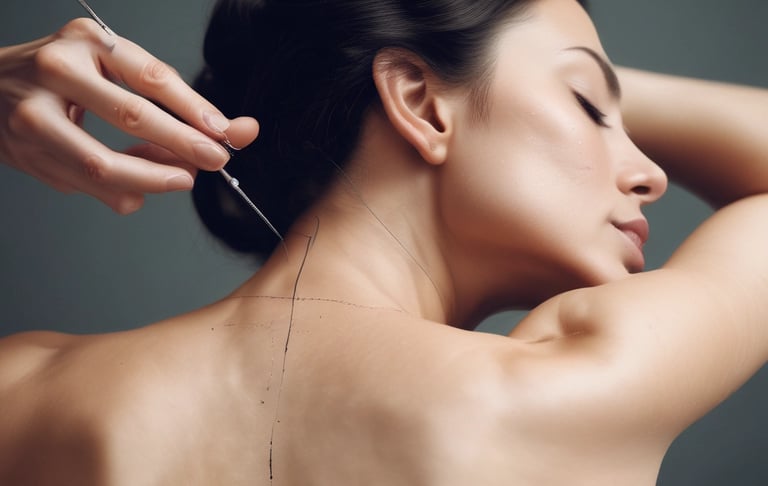
Acupuncture + Pain Management
Welcome to our Acupuncture Center, where ancient healing tradition meets modern wellness. Our team of NCCAOM-certified acupuncturists is dedicated to helping you achieve balance and vitality through personalized, holistic care. Whether you're seeking relief from chronic pain, stress reduction, or a boost in overall well-being, our experienced professionals are here to guide you along your path to optimal health. Explore our services and feel free to make an appointment today—your journey toward renewed wellness begins here.
Common issues acupuncture can help with:
Multiple types of pain .
Pain relief.
Sinusitis .
Headaches
Seasonal Pollen Allergy,
Stroke
Hemiplegia
Rehabilitation
Polycystic
Ovary Syndrome .
Myasthenia Gravis (MG)
Menopausal Syndrome
Depression Anxiety
Insomnia
Sciatica In fertility
lVF Support
Facial Paralysis
Lumbar Disc Herniation Prostatic Hypertrophy
Male/Female Urinary incontinence
Call or Text Now




















We accept all major insurance or workers comp or auto-accident:
Medical Massage
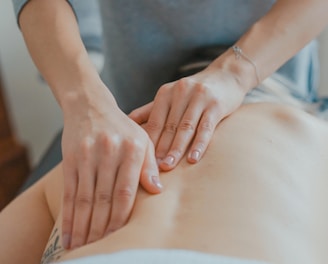
Whether recovering from an injury, battling depression, or simply wanting to take care of oneself, Massage for Wellness offers various massage types to suit individual needs. With a focus on relaxation and mental clarity, Massage for Wellness aims to reduce anxiety, lower heart rate and blood pressure, and promote healing through increased blood flow. Human touch is emphasized as a way to increase endorphins and oxytocin, leading to improved mood and overall well-being. Studies have shown the benefits of massage in alleviating depression, anxiety, and physical issues such as fibromyalgia, headaches, and supporting sports rehab for injury recovery.

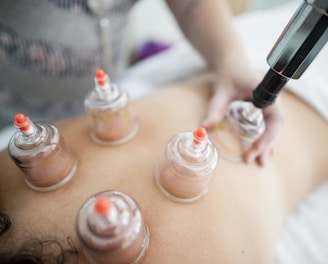
Cupping
Chinese cupping is a traditional therapy that uses glass or silicone cups to create suction on the skin. This technique promotes blood flow, reduces muscle tension, and helps alleviate pain. By drawing out toxins and improving circulation, cupping supports healing, relaxation, and overall well-being, often used in pain and stress management.

Aromatherapy
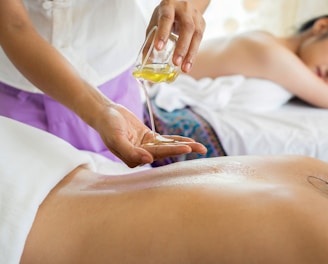
Aromatherapy is a holistic healing practice that utilizes essential oils to alleviate pain and promote overall well-being. By harnessing the therapeutic properties of natural plant extracts, aromatherapy aims to provide relief from various physical and emotional ailments. When inhaled or applied topically, essential oils such as lavender, eucalyptus, and peppermint can help reduce tension, soothe headaches, and alleviate muscle soreness. The gentle nature of this practice makes it an attractive option for individuals seeking alternative pain relief methods. Additionally, the calming scents can create a serene environment, enhancing relaxation and reducing stress. Whether through diffusers, massage, or baths, aromatherapy offers a simple yet effective way to incorporate the power of essential oils into daily routines for improved health and wellness.

Frequently asked questions
1. Does acupuncture hurt?
Most people feel little to no pain. The needles are extremely thin—about the width of a human hair. You may feel a brief pinch or tingling when the needle is inserted, followed by a sense of warmth, heaviness, or relaxation.
2. Is acupuncture effective?
Yes, many people find acupuncture helpful for a wide range of conditions, including:
Chronic pain (e.g. back, neck, arthritis)
Headaches and migraines
Stress, anxiety, and insomnia
Digestive issues
Menstrual and fertility support
Effectiveness varies by individual and condition, but acupuncture is widely recognized by medical organizations as a complementary therapy.
3. Why does acupuncture work?
Acupuncture stimulates specific points on the body to:
Improve blood flow and circulation
Regulate the nervous system
Release natural pain-relieving chemicals (endorphins)
Reduce inflammation
Restore energetic balance (Qi) in traditional Chinese medicine
Modern research suggests acupuncture affects both local tissue and brain signaling pathways.
4. Is acupuncture safe?
Yes, when performed by a licensed practitioner using sterile, single-use needles. Side effects are rare and usually mild (e.g. slight bruising or temporary soreness).
5. How many sessions do I need?
This depends on your condition, goals, and response to treatment. Some people feel better after 1–3 sessions; others benefit from a series of 6–12 treatments. Your practitioner will create a personalized plan.
6. What should I expect during a session?
A brief consultation to discuss your health concerns
Gentle insertion of needles at specific points
Resting quietly for 20–40 minutes
Possible use of heat, cupping, or electrical stimulation
Most people feel deeply relaxed during and after treatment.
7. Can acupuncture be combined with other treatments?
Yes. Acupuncture works well alongside Western medicine, physical therapy, herbal medicine, and lifestyle changes. Always inform your healthcare providers about all treatments you're receiving.
Optimum Wellness
Integrative care for your unique health needs.
Address: 313 W Old Country Rd. Hicksville, NY 11801
Specialty: Functional Medicine | IV Therapy | Modified Ozone | PRP
E-mail : info@optwellnessny.com
© 2024. All rights reserved.
Tel: 516-376-6037
Cancellation Policy
Please allow us at least 48 business hours to cancel or reschedule an appointment.
Optimum Wellness
Disclaimer:
IV Therapy, NAD+, Ozone, and wellness infusions are complementary services and are not intended to diagnose, treat, cure, or prevent any disease. Individual experiences vary. Please consult your licensed healthcare provider for medical guidance.